
26 Jun WHY DO MANY SALES PROS RESIST CHANGE?
During my career, I have managed or worked with more than 1,000 sales pros, ranging from top performers to those who struggled to meet expectations. I studied high performers closely so I could better identify, hire, coach, and retain them. In my first book, Above Quota Performance,1 I described thirty characteristics they often shared. One important trait, however, did not make that list: while some top performers were highly coachable, many strongly resisted change.
At one company, I first achieved success as a salesperson and later became Vice President of Sales. Our sales model assigned separate representatives to each product. As the company expanded through both organic growth and acquisitions, our portfolio grew to eight products. Consequently, a single prospect might receive calls from one to six different salespeople.
One prospect called me after meeting with six of our representatives, each promoting a different product—and some delivering conflicting messages. One salesperson argued that his product was superior because it had been on the market for years, was mature, and was unlikely to contain bugs. Another claimed his product was superior because it had just been released and offered the latest technology.
That conversation made it clear that our sales model needed to change. I decided to transition from a product-specialist model to a territory-manager model supported by pre-sales product specialists. While the existing approach had served us well, it was no longer scalable or optimal.
I gathered our top salespeople into a meeting and explained the reasons for the change, emphasizing that the transition would be gradual and completed before the end of the sales year. Most understood the rationale and were reassured that they could continue earning strong commissions. One salesperson, however, refused to adapt and eventually left for another company where he could continue specializing in only one or two products.
Despite the fact that approximately 70 percent of sales transformations fail,2 according to McKinsey, our transition from a product-specialist model to a territory-manager model was highly successful and completed within one year.
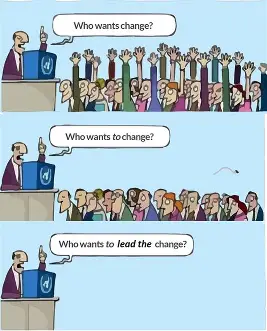
This experience raised an important question: Why do some successful sales pros resist changes that could make them even more successful?
Twelve Reasons Top Sales Pros Resist Change
- Hubris
Many above-quota performing sales pros believe their instincts and tactics are the primary reasons for their success. As a result, they see little reason to alter a formula that has already worked well for them. “I exceeded my quota. Why do I need to change.” - Natural Resistance to Change
Psychologists have long observed that people tend to prefer familiar routines over uncertainty. Change often feels risky, even when the potential benefits are significant. - Fear of the Unknown
Sales pros have commissions, rankings, and reputations at stake. Even promising changes can create anxiety when outcomes are uncertain. - Peer Pressure
Adopting a new approach may implicitly suggest that the current approach is inadequate. In competitive sales cultures, this can create discomfort among peers. Disgruntled sales pros normally share their displeasures. - Defiance
Some individuals resist change as a form of pushback or resistance against management, regardless of the merits of the change itself. - Convenience
Existing habits, the “status quo,” are comfortable and familiar. New processes require effort, learning, and temporary disruption before results become visible. - Mindset Shift
Many changes require more than learning a new technique. They demand changes in assumptions, habits, and the way opportunities are evaluated and pursued. For some, it is like changing political party allegiance or the sports team that you root for. - Desire for Autonomy
High sales performers often value independence. Like eagles rather than wolves, they prefer operating on their own terms with minimal supervision and interference. They typically do not welcome interference from management. Their best manager is one that they never see or hear from. - Technology Fatigue
Technology changes quickly, and some sales pros struggle to keep up. AI is reshaping sales tools and systems, with the promise of improving productivity. Even so, experienced salespeople may resist adopting another platform, especially when existing tools have worked well for them. - Lack of Imagination
Some salespeople cannot clearly envision the positive outcomes that could result from a change. If they cannot see the destination, they are unlikely to embrace the journey. - Reliance on Sales Support
When new responsibilities feel like distractions from selling, sales pros may attempt to delegate them to support staff so they can focus on closing business. - Loss of Identity and Expertise
Many top performers build their careers around specific skills, products, or methods. Change can threaten the expertise and status that helped make them successful, leading to resistance even when the new approach offers greater long-term opportunities.
Why Everyone Resists Change
The reasons sales pros resist change are largely the same reasons all people resist change. Human beings are wired to seek certainty, competence, and control. Change introduces uncertainty, challenges established habits, and often requires temporary discomfort before benefits become apparent.
Ironically, the very qualities that contribute to success—confidence, independence, conviction, and persistence—can also make successful people more resistant to new ideas. The more successful someone has been, the stronger the temptation to believe that what worked in the past will continue to work in the future.
Summary
Resistance to change is not limited to poor performers; it is often strongest among top performers. Their confidence, expertise, and past success can create powerful incentives to preserve existing methods. Yet markets evolve, customer expectations change, and competitive advantages rarely last forever. Organizations that successfully navigate change recognize these realities and address the concerns that drive resistance. Likewise, sales pros who remain adaptable and coachable are better positioned to sustain long-term success than those who cling to past achievements. The ability to change, and to swiftly react to changes, may ultimately be one of the most important characteristics of high performance.
1 Steven Weinberg, Above Quota Performance, Armin Lear Press (Estes Park, CO), pp. 287-302.
2 https://www.salesleadershipdevelopment.com/why-your-sales-team-resists-change/